



You train hard. You progress in loads. You feel good during the session. And the next day you can’t even climb stairs.
Muscle recovery is not just “resting.” It’s an active process where your body repairs damaged muscle fibers, replenishes energy, reduces la inflamación y se adapta al estímulo del entrenamiento. Es during recovery when you really gain muscle and strength — not during the training itself.
And this is where sports supplementation can make a real difference. No miracles, but measurable advantages: less soreness, less time between sessions, more capacity to accumulate training effective over the weeks.
| Supplement | Function in recovery | Evidence | Dose |
|---|---|---|---|
| Whey protein | Repairs muscle fibers, activates protein synthesis | Very high | 20-30 g post-workout |
| Creatine | Recharges ATP, reduces muscle damage, speeds recovery between sets | Very high | 3-5 g/day |
| Collagen | Regenerates tendons, cartilage, and connective tissue | High | 10-15 g/day |
| Carbohydrates | Replenishes muscle glycogen | Very high | 0.5-1 g/kg post-workout |
| Omega-3 | Reduces systemic inflammation | Moderate | 2-3 g/day |
| Magnesium | Muscle relaxation, reduces cramps | Moderate | 200-400 mg/day |
The 3 pillars of muscle recovery
Recovery has three main components, and each one requires a different approach:
1. Tissue repair muscle
When you train intensely, you create microtears in the muscle fibers muscles. It’s not bad — it’s the stimulus that triggers adaptation. But your body needs amino acids to repair those fibers and build new ones.
Whey protein is the go-to supplement here. It is absorbed quickly, has a complete profile of essential amino acids, and is rich in leucine — the amino acid that activates muscle protein synthesis like a switch.
20-30 g de proteína whey isolate within 30-90 minutes after training ensure your muscles have the material they need to repair itself. Our Proteinn combines CFM isolate and hydrolysate with MCT from coconut for light digestion and up to 89% pure protein by intake.
2. Energy replenishment
During training, you use muscle glycogen (your reserve of carbohydrates) and ATP (your immediate energy currency).
Creatine handles ATP. By maintaining your phosphocreatine stores saturated with 3-5 g daily of creatine monohydrate, your ATP recharge system works more efficiently — both during training and in post-recovery.
Carbohydrates replenish glycogen. If you train with high intensity or volume, a post-workout carbohydrate source (fruit, rice, oats, or directly with your shake) speeds up replenishment of energy stores.
3. Tissue recovery connective
This is the pillar most ignore. Your muscles recover in 24-72 horas. Tus tendones, ligamentos y cartílagos tardan mucho más. And if you don’t give them the nutrients they need, they accumulate micro-wear that ends in injury.
Hydrolyzed collagen is the specific supplement for this tissue. Collagen peptides stimulate the cells of cartilage and tendons to produce new connective tissue matrix. Our Joint Support+ combines three clinical patents (Fortigel®, Ovomet® and Cursol®) with Glucosamine, Chondroitin, MSM, and a vitamin complex — a 360° formula for cartilage, inflammation, and bone.
Supplements for muscle recovery: detailed guide
Whey protein: the essential
What it does: provides essential amino acids to repair and build muscle fibers.
Evidence: overwhelming. Hundreds of studies confirm that whey protein improves recovery and muscle synthesis post-exercise.
How to take it: 20-30 g after training. On rest rest days, to complete your daily protein requirements (1.6-2.2 g/kg).
Whey concentrate vs isolate: isolate is purer (90%+ protein), with less lactose and fat. Ideal for cutting or intolerancia a la lactosa. Más sobre las differences here.
Creatine monohydrate: performance + recovery
What it does: replenishes muscle ATP and reduces markers of muscle damage post-exercise.
Evidence: the most studied sports supplement the story. More than 500 studies support its effectiveness.
How to take it: 3-5 g daily, every day. With your post-workout shake or with any meal. Consistency matters more que el momento. Guía complete here.
Why it helps recovery: creatine not only improves performance during training — also reduces creatine kinase and lactate dehydrogenase (markers of damage muscular) after exercise. Translation: less muscle damage, faster recovery.
Hydrolyzed collagen: connective tissue
What it does: regenerates cartilage, strengthens tendons and ligaments, reduces joint pain.
Evidence: solid for joint health (41 studies, 25 clinical trials). Specifically strong for Fortigel.
How to take it: 10-15 g per day, preferably in ayunas o 30-60 minutos antes de entrenar con vitamina C. Todo sobre el colágeno here.
For whom: especially relevant if you do impact sports (running, CrossFit, paddle), if you are over 30 years, or if you notice stiffness or joint discomfort.
Other supplements that can help
Omega-3 (EPA/DHA): omega-3 fatty acids reduce systemic inflammation, which can help control soreness and the low-grade chronic inflammation that accumulates in those who train with frequency. Dosage: 2-3 g per day of combined EPA+DHA.
Magnesium: contributes to muscle relaxation and normal neuromuscular function. If you sweat a lot or experience cramps, magnesium can help. Dosage: 200-400 mg per day, preferably at at night (helps sleep).
Vitamin D: essential for muscle function and bone health. If you live in latitudes with little sun exposure (the most of Spain in winter), you likely have levels suboptimal. Dosage: 1,000-2,000 IU per day.

Wellbeinn Creatine Monohydrate
100% Pure · Ultra Micronized 200 Mesh · 100 servings
18,90 € 25,90 €
The stack complete recovery: how to combine it all
If you had to choose only three supplements to maximize your recovery, would be these:
Post-workout (in a shake): - 20-30 g of protein whey isolate - 3 g of creatine monohydrate - Carbohydrate source (banana, oats, dextrose)
At another time of day (fasted or between meals): - 10-15 g of hydrolyzed collagen with vitamin C
Three supplements that cover the three pillars: muscle (protein), energy (creatine), connective tissue (collagen). Everything else is optional.
| Timing | Supplement | Dose |
|---|---|---|
| Post-workout | Whey isolate protein | 20-30 g |
| Post-workout | Creatine monohydrate | 3-5 g |
| Post-workout | Carbohydrates | 30-50 g |
| Morning/between meals | Hydrolyzed collagen | 10-15 g |
| With food | Omega-3 | 2-3 g |
| Night | Magnesium | 200-400 mg |
Recovery muscle: what no supplement replaces
Supplements are exactly that: supplements. They complement, not replace. If your recovery is poor, before spending money on supplements check these four factors that matter most impact that any powder:
1. Sleep: 7-9 hours of quality sleep are irreplaceable. During deep sleep most of growth hormone and the greatest protein synthesis occurs muscular. No supplement compensates for poor sleep.
2. Overall nutrition: sufficient calories, enough protein (1.6-2.2 g/kg), adequate carbohydrates for your activity level and healthy fats. A protein shake does not compensates for a poor diet.
3. Hydration: 2% dehydration reduces performance and delays recovery. Drink at least 2-3 liters a day, especially if you train in heat.
4. Training programming: if you don’t give your body enough time between intense sessions of the same group muscular, no supplement will save you from overtraining. More is not is always better.
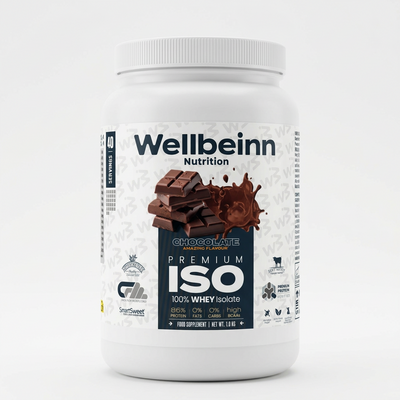
Proteinn 100% Whey Isolate
Up to 89% protein · CFM · No Aspartame · 3 flavors
49,95 € 59,95 €

Joint Support+ Joint Collagen
Fortigel® + Ovomet® + Cursol® · Triple Patent
34,90 € 39,90 €
Frequently asked questions
If you had to choose only one: whey protein. It is the base. Then, creatine (the most studied and with the most side benefits). And if if you want to protect your joints, collagen. The three together cover the full spectrum of recovery.
If you already take whey protein, separate BCAAs are redundant. The whey protein contains all the BCAAs (leucine, isoleucine, valine) in sufficient amounts. Skip that supplement and spend it on something that really contribute.
Depends on intensity and volume. For the same muscle group: at least 48 hours. If you train with high volume: 72 hours. These times are reduced with good nutrition, adequate sleep, and supplementation smart.
Yes. Several studies show that creatine supplementation reduces markers of muscle damage and the perception of muscle pain after intense exercise. It doesn't eliminate them, but it reduces them.
Yes. Whey protein, creatine, collagen, omega-3, magnesium, and vitamin D are all compatible with each other. None interferes with the others. The it is practical to take protein + creatine together post-workout, and collagen at another time of day to optimize the absorption of each one.
Artículo redactado por...
Jorge Albert Mallabrera
Redactor especializado en fitness, recuperación muscular y bienestar.
Miguel Artín
CEO en Welbeinn · Especialista en terapias de recuperación.
Caetano
Equipo Welbeinn · Producto y protocolos de uso.
Share:
How to Take Creatine Correctly: Dosage, Timing, and Mistakes to Avoid
Whey protein vs isolate: real differences and which to choose according to your goal