


Concentrate, isolate, hydrolyzed… The supplement industry sports industry has a knack for complicating things that shouldn't be. If estás buscando una proteína en polvo y no sabes si comprar whey concentrate or whey isolate, this guide will save you hours of confusion.
Both come from the same source (whey), both provide high-quality amino acids and both help build muscle. But there are real differences that may matter to you. Let's see them.
| Criterion | Whey Concentrate | Whey Isolate |
|---|---|---|
| % protein | 70-80% | 90-95% |
| Fat | 3-5 g per serving | < 1 g per serving |
| Carbohydrates | 3-6 g per serving | < 1 g per serving |
| Lactose | Present (can cause discomfort) | Minimal or none |
| Absorption speed | Fast | Faster |
| Price | More economical | More expensive |
| Ideal for | General goal, tight budget | Definition, lactose intolerance, maximum purity |
What is whey protein and where it comes from
Toda proteína whey empieza igual: se obtiene del suero de leche, the liquid left after curdling milk to make cheese. That whey is filtered and dried to turn it into powder.
La diferencia entre concentrate e isolate está en cuánto se filtra:
- Whey concentrate goes through basic filtration. The the result is a powder with 70-80% pure protein, and the rest are fats, carbohydrates, and lactose.
- Whey isolate goes through an additional process of microfiltration or ion exchange that removes almost all fat, the carbohydrates and lactose. The result is a powder with 90-95% of pure protein.
That's it. There are no secret ingredients or magical processes. Isolate is simply more filtered whey.
The 4 differences that really matter
1. Protein content per serving
This is the most direct difference. With the same amount of powder (por ejemplo, 30 g), un isolate te aporta 27-28 g de proteína pura, while a concentrate provides you with 21-24 g. The rest in concentrate are fats and carbohydrates.
If you are strictly counting macros, that 4-6 g difference protein per serving adds up throughout the day.
2. Lactose: the factor decisive for many
If you are lactose intolerant or have heavy digestion with dairy, isolate is your choice. The additional filtration process removes virtually all lactose, making it suitable even for people with moderate sensitivity.
With concentrate, residual lactose can cause bloating, gas or discomfort — especially if you have more than one shake a day.
3. Caloric profile
Isolate is significantly "cleaner" in terms of calories. Less fat, fewer carbohydrates, more protein per calorie. This is convierte en la opción preferida para fases de definición o hypocaloric diets where every calorie counts.
In a bulking phase where you don’t worry about extra calories, the difference is irrelevant.
4. Price
Concentrate is cheaper because its manufacturing process is less intensive. The price difference is usually 20-40% depending on the brand. The question is whether that extra cost of isolate is justified by the advantages it offers.
For most people: yes. The removal of lactose, the higher protein concentration and the cleanest profile justify the cost extra.
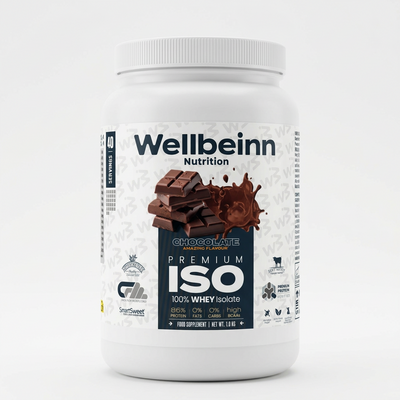
Proteinn 100% Whey Isolate
Up to 89% protein · CFM · No Aspartame · 3 flavors
49,95 € 59,95 €
Which is better for gain muscle mass?
Both work. The amino acids they provide are practically identical in quality and profile. Whey protein — whether concentrate or isolate — it has the most complete amino acid profile of all protein sources, with a high concentration of leucine (the key amino acid to activate muscle synthesis).
The real difference is not which makes you gain more muscle (both are equally effective gram for gram of protein), but whichever is more comfortable and sustainable for you:
- If concentrate suits you well and fits your budget → perfect.
- If you want maximum purity, minimal extra calories, and zero problems digestive issues → isolate.
What matters at the end of the day is that you meet your requirements of protein (1.6-2.2 g/kg of body weight). The format is secondary.
And what about hydrolyzed protein?
Hydrolyzed protein is a step beyond isolate: the amino acids are partially “predigested” (hydrolyzed), which theoretically speeds up absorption.
En la práctica, la diferencia de absorción entre isolate e hydrolyzed is minimal and does not translate into measurable benefits for most athletes. What it does translate to is a price considerably higher and a less pleasant taste.
Unless you have severe digestive problems with isolate (something very rare), the extra cost is not worth it.
Protein isolate for cutting: why it makes sense
If you are in a cutting phase (caloric deficit to lose fat maintaining muscle), isolate protein offers practical advantages:
- More protein per calorie: each gram of powder gives you provides more protein and fewer “extras”
- Less bloating: lactose-free, your abdomen looks and feels feels better (important when you are looking for definition)
- Satiation: protein is the most important macronutrient satiating, and by having more pure protein per dose, it helps you control hunger
Nuestra Proteinn 100% Whey Isolate goes a step further: combines an isolate matrix and cold-filtered hydrolyzed by cross-flow microfiltration (CFM) with MCT oils coconut for light digestion. Up to 89% pure protein (22.25 g per 25 g serving), no added sugar and no aspartame — with technology SmartSweet™ for real flavor without empty calories. Available in Chocolate, Vanilla, and Cookies.
How to take protein isolate: dose and timing
Dose per serving: 20-30 g of protein (1 scoop usually to be enough)
Total daily protein dose (from all sources, not just shakes): - Gain muscle: 1.6-2.2 g/kg of weight body - Maintain muscle in cutting: 2.0-2.4 g/kg - Activity moderate: 1.2-1.6 g/kg
Best time: after training, ideally with creatine and some carbohydrates. But if you don’t train that day, take it as a snack between meals to meet your requirements.
What to mix with: water for the cleanest profile, milk if you want more calories and creaminess. Isolate protein dissolves better than concentrate because it has less fat.
Frequently Asked Questions
Yes, no problem. In fact, many commercial brands sell blends (blends) of both. If you already have a container of each, you can combine them in the same shake.
No protein “fats” by itself. What determines if you gain weight is your total caloric balance. Isolate protein, with less fat and carbohydrates, it is actually the option with the fewest calories per gram of protein.
Yes. The microfiltration process removes practically all lactose. Most people with moderate intolerance tolerate isolate without any problem.
It depends on your priorities. If you are lactose intolerant, you are in cutting or you just want the purest protein possible, yes. If your budget is tight and you digest dairy well, concentrate works perfectly.
As many as you need to meet your requirements. Ideally, get most of your protein from real foods (meat, fish, eggs, legumes) and use shakes to cover what you missing. For most, 1-2 shakes a day is enough.
Redacción y revisión del artículo
Share:
Supplements for Muscle Recovery: Which Ones Work and How to Combine Them
What Creatine Is For: Real Benefits, How It Works, and What No One Tells You