
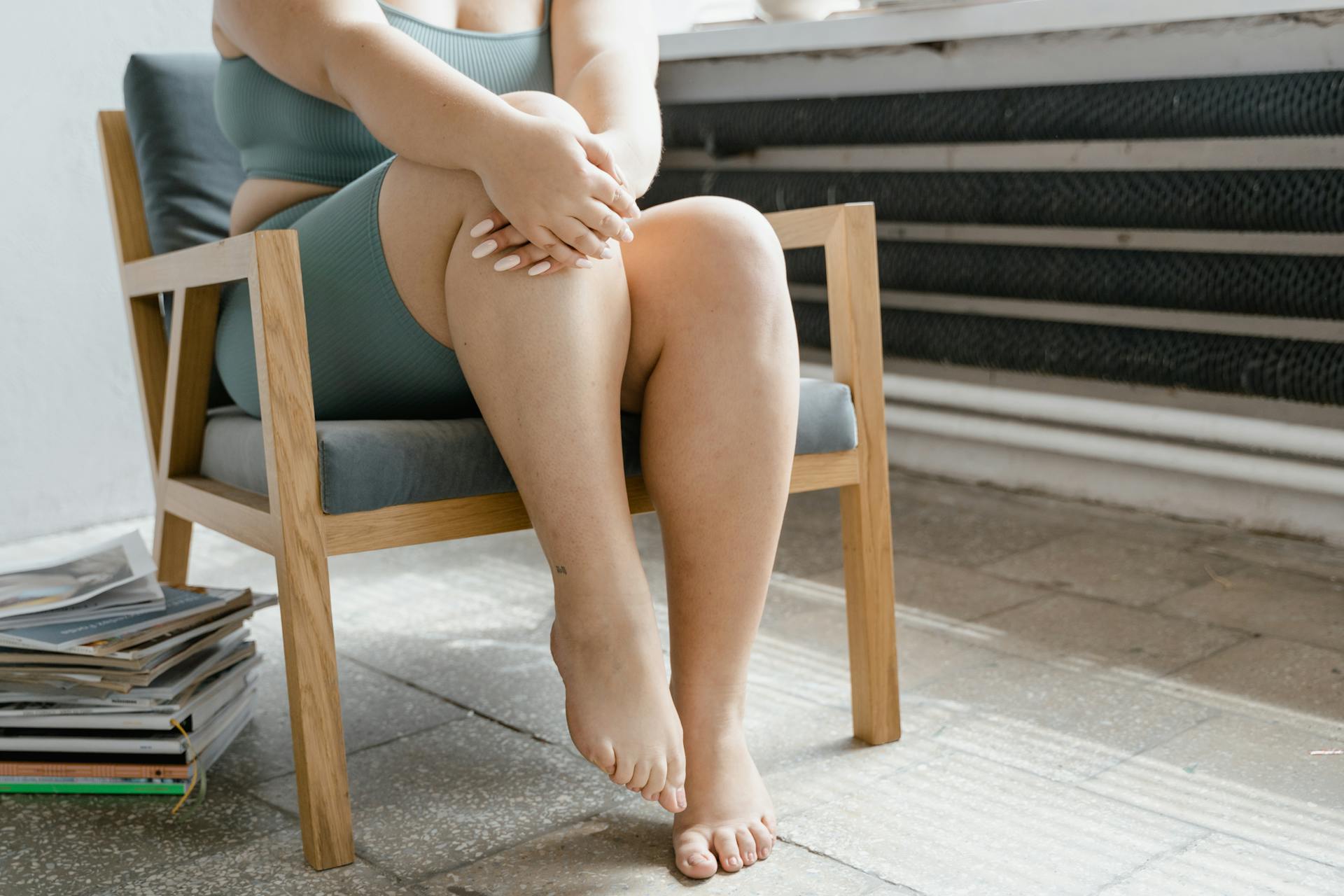


The lymphatic system is the body’s silent infrastructure. While the heart pumps blood with an audible rhythm, lymphatic vessels move fluid without their own pump, relying on muscle movement and breathing. When that movement is insufficient — due to sedentary lifestyle, pregnancy, surgery, heat, or circulatory problems — fluid accumulates. Heaviness, swelling, and the feeling of legs that don’t rest even while sleeping appear.
Lymphatic drainage is the set of techniques that activate that system from the outside. It’s not magic or detoxification. It’s applied physiology: pushing the fluid in the right direction so the body can process and eliminate it.
| Appearance | What you need to know |
|---|---|
| What it is | Technique that activates the lymphatic system to move accumulated fluid |
| Types | Manual (with hands) and mechanical (pressotherapy) |
| Real indications | Edema, retention, post-surgery, sports recovery, pregnancy |
| Sessions to notice | 4-6 sessions for retention · 1-2 for sports recovery |
| Frequency | 1-3 times per week in active phase, maintenance once a week |
| Clinic session cost | €40-60 (manual drainage) · €30-50 (pressotherapy) |
| What it is NOT for | Lose weight, eliminate toxins, replace medical treatment |
Manual drainage or pressotherapy?
Your case decides which makes the most sense for you
What the lymphatic system is and why it needs help
The lymphatic system is a network of vessels parallel to the venous system that performs three critical functions:
- Drains excess fluid that leaves the capillaries into the tissue (between 2-3 liters per day)
- Filters cellular waste and pathogens through the lymph nodes
- Transports immune system cells throughout the body
Unlike the heart in the circulatory system, the lymphatic system does not have its own pump. Lymph fluid moves thanks to muscle contraction during movement, pressure changes from breathing, and the intrinsic motility (peristalsis) of the large lymphatic vessels.
When any of these engines fail — you spend many hours sitting or standing, you are recovering from surgery, you have a prolonged fever, you are pregnant, or you have an injury that limits movement — fluid accumulates in the tissues. That’s when edema, swelling, and a feeling of heaviness appear. Lymphatic drainage supplements that engine from the outside.
Types of lymphatic drainage: manual and mechanical
Two main forms, with real technical and usage differences.
Manual lymphatic drainage
The classic technique, performed by a trained physiotherapist or nurse. The best-known method is the Vodder method, developed in the 1930s, along with the Leduc method and other variants. Features:
- Very gentle and rhythmic movements on the skin (pressure of 30-40 mmHg maximum)
- Specific path following lymphatic vessels toward the lymph nodes
- Typical session: 45-90 minutes
- Works on specific areas according to pathology (breast after mastectomy, leg with lymphedema, postpartum abdomen)
Advantages: very precise, adaptable to the person, ideal for clinical cases and specific anatomical areas. Disadvantages: depends on a trained professional, expensive session (€40-60 in private clinics), complicated scheduling.
Mechanical lymphatic drainage (pressotherapy)
A device with air chambers inflates and deflates in sequence, replicating the effect of manual drainage on the lower and/or upper limbs. Features:
- Programmable pressure (30-200 mmHg)
- Automatic sequence from feet to waist (or hands to shoulder)
- Typical session: 20-30 minutes
- Preferably works on legs, arms, or entire abdomen
Advantages: frequent sessions at home with no recurring cost, consistent pressure, total autonomy. Disadvantages: less precise for specific areas (breast, postoperative abdomen), requires initial investment.
To understand in detail how pressotherapy works and what differentiates it from conventional massage, see pressotherapy: what it is and how it works.
“Topical” drainage (creams, oils, masks)
Creams sold as “draining” promising the effect of drainage without the need for technique. The reality: no topical ingredient significantly activates the lymphatic system. Some creams with caffeine or plant extracts improve local superficial circulation and may slightly reduce the appearance of skin swelling. But real drainage requires mechanical movement, either with hands or sequential pressure. If the product’s promise is “drainage,” the product is selling something else.
Real benefits of lymphatic drainage with evidence
Here it is important to separate what is documented from what is sold without nuance.
Reduction of fluid retention and edema
The most supported and predictable use. Lymphatic drainage reduces the volume of swollen limbs by between 7% and 25% depending on the initial degree, in regularly performed sessions. It works for:
- Heavy legs due to sedentary lifestyle or many hours standing
- Pre-menstrual swelling
- Evening edema (the typical swollen ankle and instep at the end of the day)
- Heat-related retention in summer
- Primary or secondary lymphedema (always with medical follow-up)
The effect is usually noticeable in 4-6 sessions for mild retention and from the first session in cases of marked edema. What moves is water accumulated in the interstitial space. It is not fat, it is not “toxins.”
Post-surgical recovery
One of the strongest indications. After aesthetic surgeries (liposuction, abdominoplasty, mammoplasty) and oncological surgeries (mastectomy with lymph node dissection), manual lymphatic drainage reduces postoperative edema, improves healing, and prevents fibrosis.
The typical protocol is 8-15 sessions in the weeks following surgery, starting 5-7 days after the intervention (always with the surgeon’s approval). In these cases, manual drainage is better indicated than mechanical — precision on the operated area is critical.
Sports recovery
Mechanical lymphatic drainage (pressotherapy) has solid evidence for reducing delayed onset muscle soreness (DOMS) after intense efforts. A meta-analysis on pressotherapy showed a moderate-small effect size in reducing DOMS — significant for athletes who train frequently and need to recover quickly between sessions.
The mechanism: sequential compression accelerates the elimination of inflammatory markers (lactate, creatine kinase) from the worked limbs. The sensation the day after training is clearly less heaviness and less muscle stiffness.
Pregnancy and postpartum
During pregnancy, increased blood volume, hormonal effects on the venous wall, and pressure from the uterus on the pelvic vessels frequently cause retention in the legs, especially in the ankles and feet. Manual lymphatic drainage, performed by a professional trained in drainage for pregnant women, relieves this retention safely when done correctly.
In the postpartum period, drainage helps restore abdominal tone and reduce edema accumulated over the past months. Always with the green light from the gynecologist or midwife, especially if there was a cesarean section.
Aesthetics: cellulite and skin appearance
Here we must be honest. Lymphatic drainage does not eliminate structural cellulite. What it does do is reduce fluid retention in subcutaneous tissue, which improves the appearance of skin with edematous cellulite (the kind accompanied by swelling). In advanced fibrous cellulite, the effect is very modest.
Combined with regular exercise, balanced nutrition, and in some cases other aesthetic techniques, lymphatic drainage contributes to skin appearance — but it is not the main factor. Those who sell it as a miracle solution are overestimating what the method can do.
Immunity and general health
Lymphatic drainage activates flow through the lymph nodes and supports local immune function. Clinical evidence of measurable immune improvement in healthy people is modest — the body already does this work on its own with adequate movement. Those with an active lifestyle do not need drainage “to boost immunity.” Those with very limited mobility can benefit.
When lymphatic drainage is contraindicated
Drainage is not for everyone at all times. Absolute contraindications (do not perform):
- Active deep vein thrombosis: pushing the clot is exactly what should not be done
- Decompensated heart failure: increased venous return overloads an already compromised heart
- Acute infection with high fever: spreading the infection through the lymphatic system can worsen the condition
- Unstable active cancer: there is debate; always follow the oncologist’s advice
- Acute thrombophlebitis
Relative contraindications (consult a professional):
- Poorly controlled arterial hypertension
- Uncontrolled severe asthma
- Severe hypothyroidism
- High-risk pregnancy
- Open wounds in the treatment area
If you have doubts about your specific case, consult your doctor before starting. A professional trained in lymphatic drainage will know how to identify risk situations, but the final decision should consider your medical history.

Highfly Pro — Pressotherapy boots
The reference device for doing lymphatic drainage at home: 6 chambers, 6 pressure levels, and specific drainage programs. The same technology used by physiotherapists in clinics.
View productManual drainage vs pressotherapy: when to use each
The decision depends on the case:
| Situation | Best option |
|---|---|
| Weekly sports recovery | Pressotherapy (at home or clinic) |
| Clinical lymphedema (post-mastectomy) | Manual with specialized physio + bandaging |
| Evening edema or heavy legs | Pressotherapy (best cost-benefit ratio) |
| Postoperative liposuction/abdominoplasty | Manual for the first 1-3 months |
| Pregnancy (with medical green light) | Manual with specialized professional |
| General postpartum | Manual for the first 2 months, then pressotherapy |
| Aesthetic maintenance | Pressotherapy (more cost-efficient) |
Practical rule: for clinical or anatomically specific cases, manual. For maintenance, prevention, and sports recovery, pressotherapy. Combining both is legitimate in some cases — weekly manual with physio + daily pressotherapy at home.
How to do drainage at home: pressotherapy and self-massage
With pressotherapy at home
The most comfortable and consistent option. Once you have the right equipment, the session is completely autonomous. The keys:
- Sessions of 25-30 minutes
- Pressure 60-90 mmHg for gentle drainage; 90-120 mmHg for sports recovery
- Frequency: 3-5 times per week in the active phase, 1-2 in maintenance
- Best time: night, after dinner
- Important hydration afterward: 500 ml of water within the next two hours
The complete guide on how to choose equipment and use it at home is at pressotherapy at home: how to choose equipment and get the most out of it.
Basic self-massage for legs
A simplified technique that works as maintenance between more complete sessions. It does not replace professional drainage but helps:
- Activation of lymph nodes — gentle massage in the inguinal fold (5-10 slow circular movements on each side)
- Upward movement from the ankle — gentle movements toward the thigh, without pressing hard. All pressure is directed upward.
- Movement from thigh to groin — slow movement (2-3 minutes per leg)
- Closure with inguinal activation — repeat the first step
Total time: 10-15 minutes for both legs. Doing it on clean skin with a vegetable oil (almond, jojoba) facilitates sliding. The correct pressure is very gentle — if you leave a mark, you are pressing too hard.
4 myths about lymphatic drainage that should be debunked
"Eliminates toxins"
The word "toxins" in wellness marketing is often vague and imprecise. The lymphatic system filters and transports to the liver and kidneys, which are the organs that metabolize and eliminate compounds. Drainage speeds up that transport, but does not "eliminate toxins" as a final product. The elimination is done by the liver and kidneys. If you are healthy, they already do it.
"Used for weight loss"
No. What moves with drainage is interstitial water, not fat. The volume loss after a session is accumulated water that returns to circulation and is eliminated through urine. If a person loses 1 kg after a session, they regain it in 24-48 hours because it was water, not fat. Drainage can be a good aesthetic complement, but it’s not a weight loss method.
“It cures cellulite”
It doesn’t cure it. It improves the appearance when there’s an edematous component (associated swelling). In fibrous or advanced cellulite, the effect is modest. If a technique promises to eliminate cellulite, it’s overselling.
“The stronger, the better”
No. Manual lymphatic drainage uses very gentle pressure (30-40 mmHg). Excessive pressure collapses lymphatic vessels instead of moving them and can cause the opposite effect. In mechanical pressotherapy, effective pressures are higher (typically 60-150 mmHg) but there’s also a threshold: above 200 mmHg, there’s a risk of capillary damage in sensitive people.
How many sessions are needed: realistic timelines
Three common scenarios and their realistic timelines:
- Sports recovery after an intense session: 1-2 pressotherapy sessions, effect the next day
- Mild chronic fluid retention: 4-6 sessions to notice visible improvement, maintenance of 1 session per week
- Post-surgical lymphedema: 8-15 manual drainage sessions + compression bandaging in the first weeks, then a personalized maintenance protocol
Those who quit after 1-2 sessions for not seeing results in chronic retention are judging too soon. Consistency is the difference between solving the problem and making it chronic.
Frequently Asked Questions
Manual drainage shouldn’t hurt. It’s a very gentle massage, almost imperceptible to someone used to intense massages. Pressotherapy with medium-high pressures feels like rhythmic compression—uncomfortable in some areas the first few times, but not painful if properly adjusted.
In Spain, between €40 and €60 in a private clinic for a 60-75 minute session. In beauty centers, it can go down to €30. Professional pressotherapy costs around €30-50 per session.
Yes, there’s no problem with gentle daily sessions. Usually, 3-5 times a week during the active phase. Daily only in specific clinical cases under supervision.
It depends on the reason. For retention: 2-4 days without intervention. For sports recovery: the effect is immediate and specific. That’s why regularity matters more than a single session.
Manual lymphatic drainage is indicated as part of the conservative treatment of lipedema, along with compression and appropriate exercise. Pressotherapy can be used as a complement. But lipedema is a condition that requires a multidisciplinary approach — it’s not just “drainage.” More details at lipedema: what it is, symptoms and causes.
No. Reducing massage is a more intense massage technique aimed at mobilizing localized fat. Lymphatic drainage is gentle, technical, and specific to the lymphatic system. Confusing them leads to wrong expectations.
Yes, especially pressotherapy with boots that cover from foot to waist. Evening swelling of feet and ankles responds well to regular drainage.
During pregnancy, the focus should not be aesthetic but on relieving retention and heaviness. Manual drainage with a professional specialized in pregnancy is the correct option. Focusing drainage on cellulite during pregnancy is not a priority.
In people without contraindications, minimal. After the session, there may be a slight need to urinate (mobilized fluid) and, in rare cases, a mild feeling of tiredness. Nothing more.
If you’re considering adding it to your routine
For specific clinical cases (post-surgery, lymphedema, high-risk pregnancy) consult a physiotherapist or nurse specialized in manual lymphatic drainage. For maintenance, sports recovery, and general fluid retention, home pressotherapy is the most cost-effective and consistent option.
The full line of Wellbeinn professional pressotherapy equipment is designed and validated by sports physiotherapists to replicate the sequential drainage protocol applied in clinics. Three years warranty and interest-free financing if you’re going to use it seriously.
If you want to better understand how pressotherapy works specifically and what sets it apart from other recovery techniques, everything is in pressotherapy: what it is and how it works. And if you’ve decided on a device and want to know how to choose and use it properly at home, pressotherapy at home: complete guide covers the decision step by step.
Redacción y revisión del artículo
Share:
Home Pressotherapy: How to Choose Your Equipment and Get the Most Out of It
Creatine for women: what the evidence says and myths to debunk